A solid contract is the bedrock of a successful and stress-free photography business. For professionals capturing once-in-a-lifetime moments, finding a comprehensive Wedding Photography Terms and Conditions Template is often the first step toward protecting their art, managing client expectations, and ensuring fair compensation. This document is far more than just a formality; it is a critical agreement that outlines the scope of work, deliverables, payment schedules, and contingency plans, creating a clear and mutual understanding between the photographer and the couple. Without it, you leave your business vulnerable to misunderstandings, disputes, and potential financial loss.
Navigating the complexities of legal language can be daunting, but the purpose of these terms is simple: to create clarity. A well-crafted contract serves as a roadmap for the entire client relationship, from the initial booking to the final delivery of cherished images. It answers the "what if" questions before they arise. What if the wedding is postponed? What if the client is unhappy with the final images? Who owns the copyright? A thorough set of terms and conditions addresses these scenarios proactively, fostering trust and demonstrating a high level of professionalism.
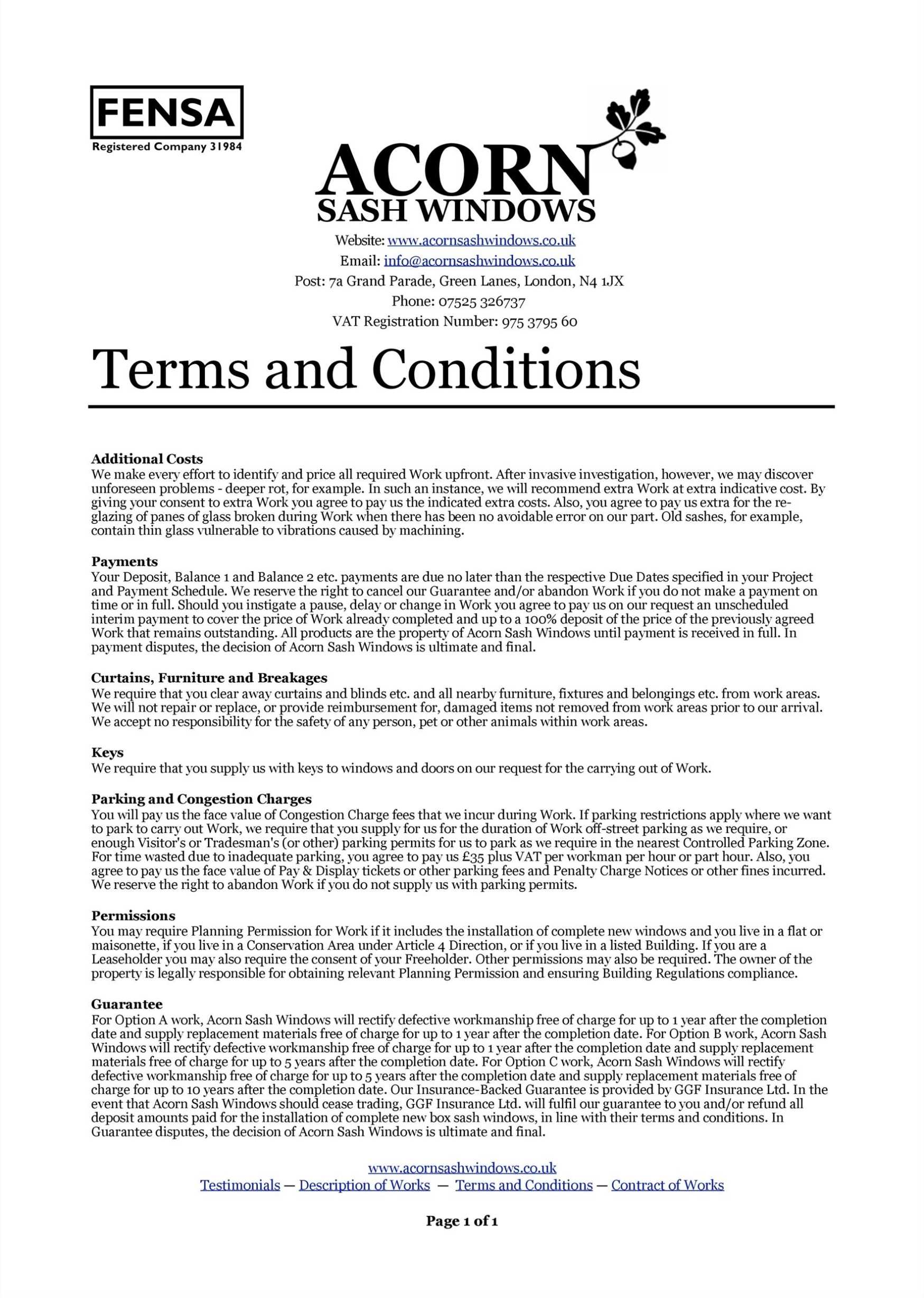
This guide is designed to demystify the essential components of a wedding photography contract. We will break down the crucial clauses every photographer should include, explore common pitfalls to avoid, and provide a framework for adapting a template to fit your unique business needs. While a template provides a fantastic starting point, understanding the "why" behind each clause empowers you to create a document that not only protects your business but also enhances the client experience by setting clear, professional boundaries from the outset.

Why Every Wedding Photographer Needs Watertight Terms and Conditions
Operating without a formal, signed contract is one of the biggest risks a wedding photographer can take. A verbal agreement or a simple email exchange is insufficient to cover the numerous variables involved in a wedding day. A legally sound document outlining your terms and conditions is your primary tool for risk management and professional conduct.
First and foremost, it manages expectations. Your contract explicitly states what the couple will receive for their investment. This includes the number of hours of coverage, the number of photographers present, the approximate quantity of edited images, the delivery format (e.g., online gallery, USB drive), and the estimated timeline for delivery. By putting these details in writing, you prevent future disputes arising from a client's misremembered conversation or unstated assumptions.

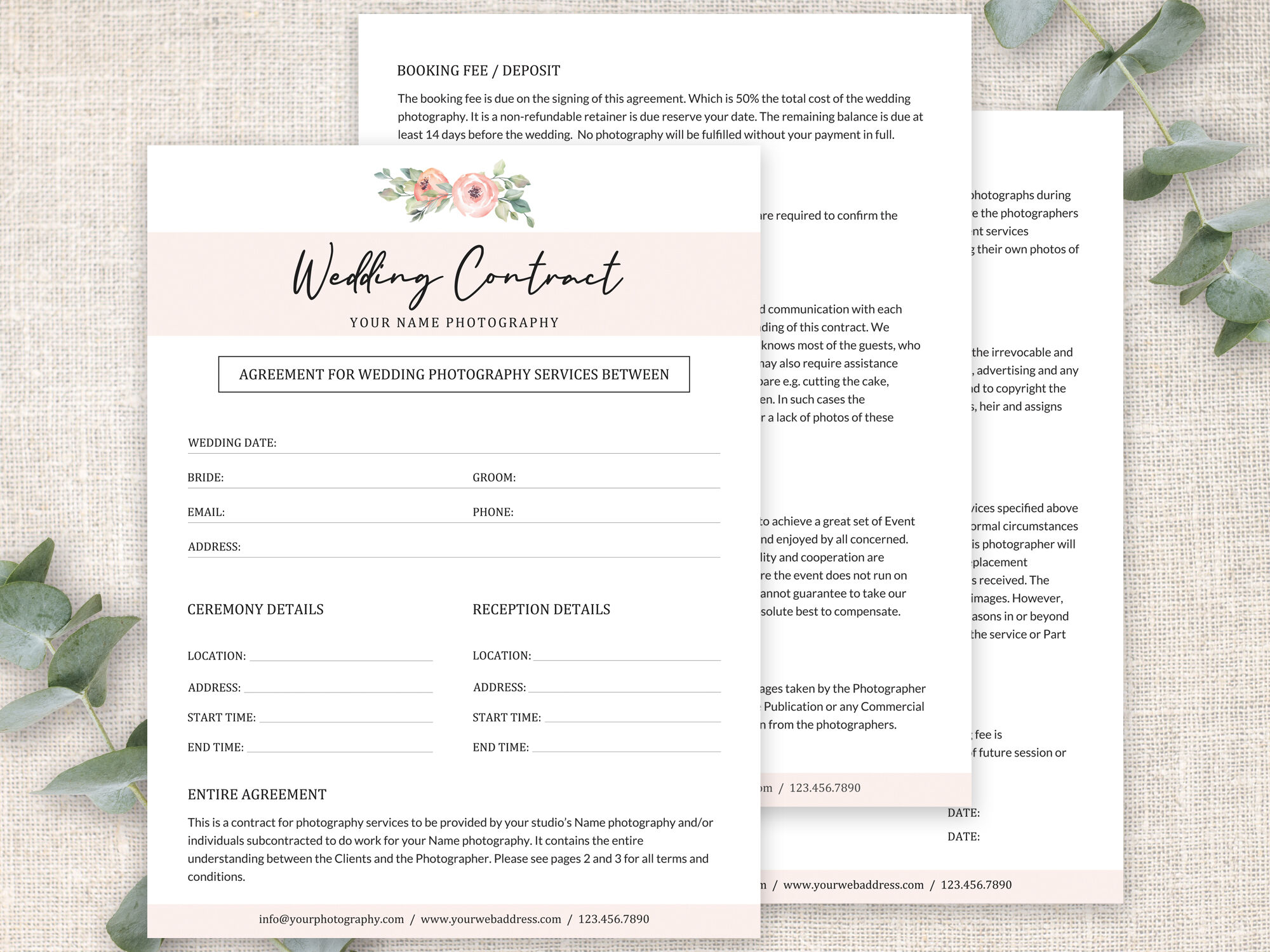
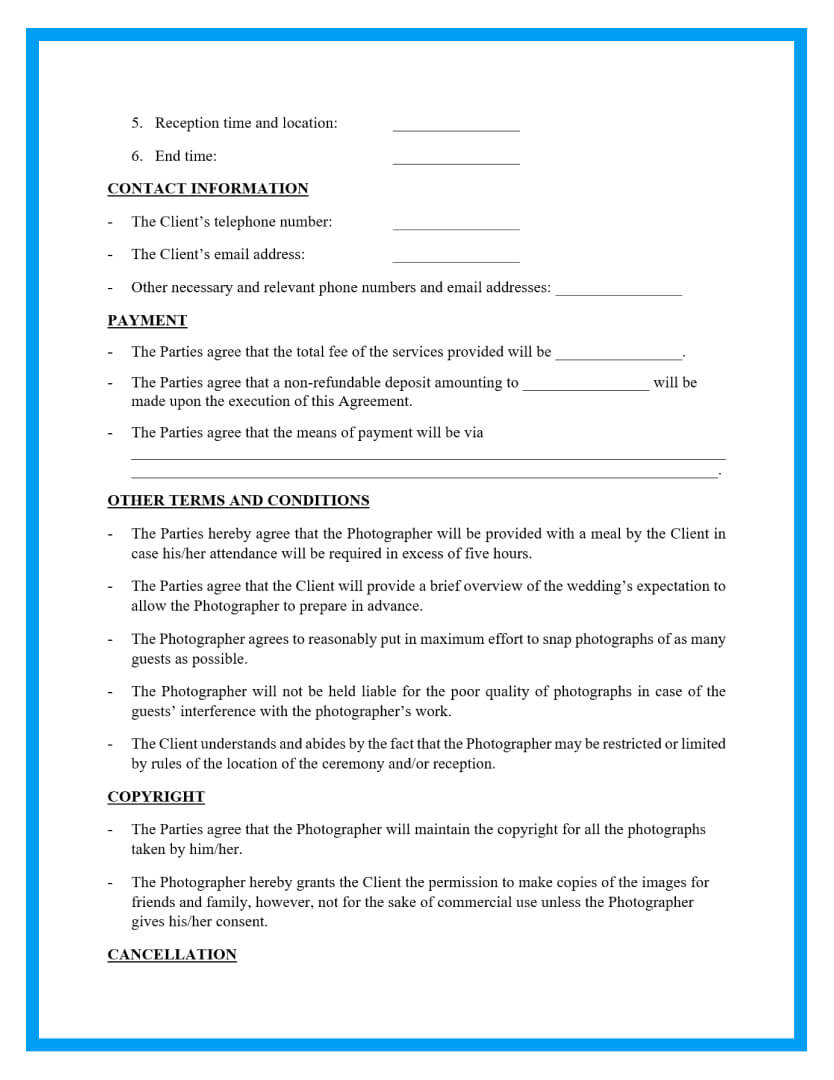
Secondly, it protects you financially. The terms and conditions will detail your payment schedule, including the non-refundable retainer (or booking fee) required to secure the date and the due date for the final balance. It also outlines policies for cancellations, postponements, and overtime charges. This ensures you are compensated for your time and for the business you turn away by holding a specific date for a client.

Finally, it establishes professionalism and builds trust. Presenting a clear, comprehensive contract shows clients that you are an experienced professional who takes their business—and the client's wedding day—seriously. It demonstrates that you have thought through various scenarios and have processes in place to handle them, which can be incredibly reassuring for a couple planning one of the most significant events of their lives.

Key Clauses to Include in Your Wedding Photography Contract
A generic template is a good start, but a robust contract is tailored to your business. The following clauses are non-negotiable and form the core of any professional wedding photography agreement. Ensure your terms are clear, specific, and easy for your clients to understand.
Contact Information and Parties Involved
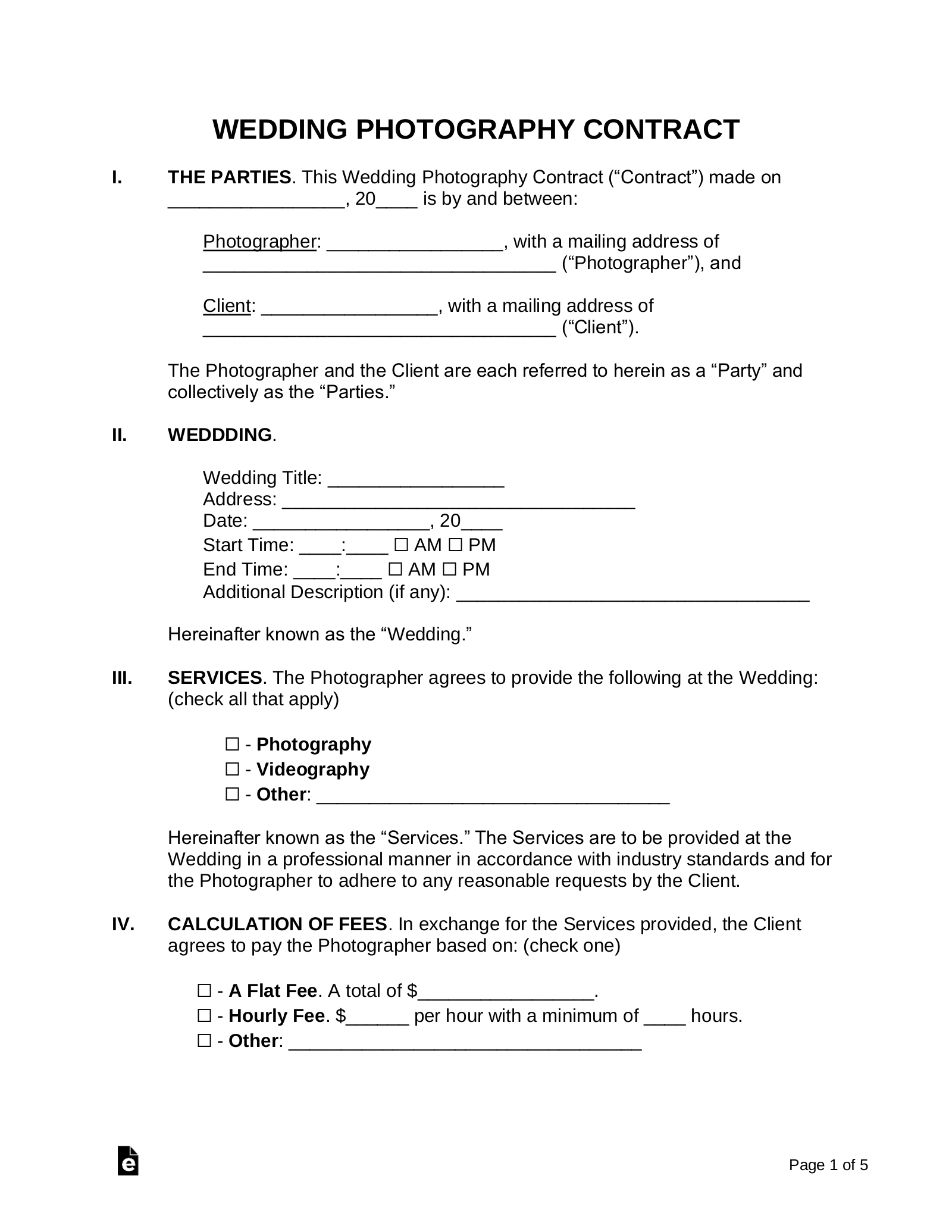
This foundational section should clearly identify all parties entering into the agreement. Include your full business name, address, and contact information, as well as the full names and contact details for both members of the couple. This ensures there is no ambiguity about who is bound by the contract's terms.
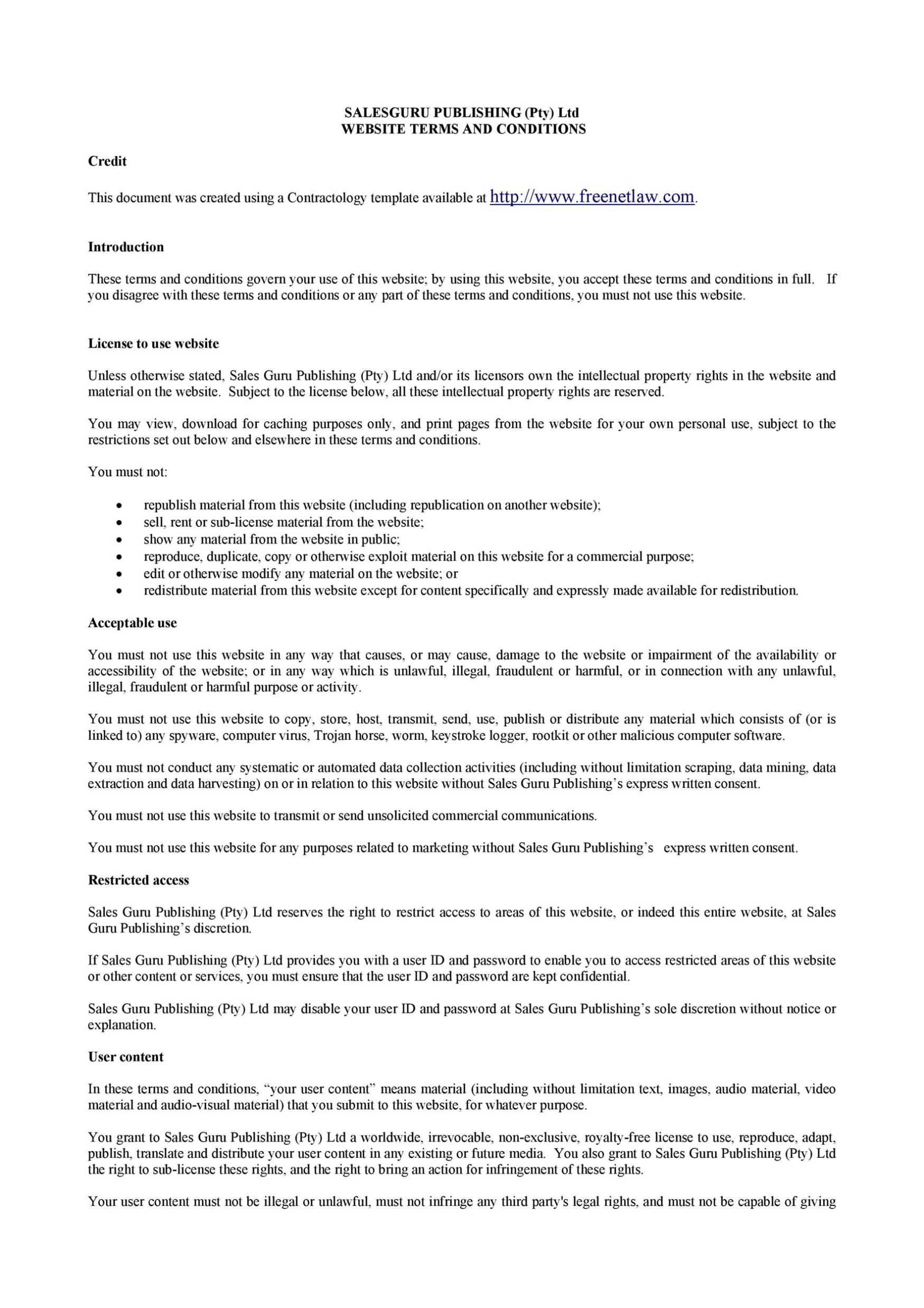
Event Details
Be meticulous with the details of the event. This section should explicitly state the wedding date, the start and end times for photographic coverage, and the specific addresses for all locations you are required to be at (e.g., getting-ready location, ceremony venue, reception hall). Having this in writing prevents any confusion about timing or locations on the day itself.
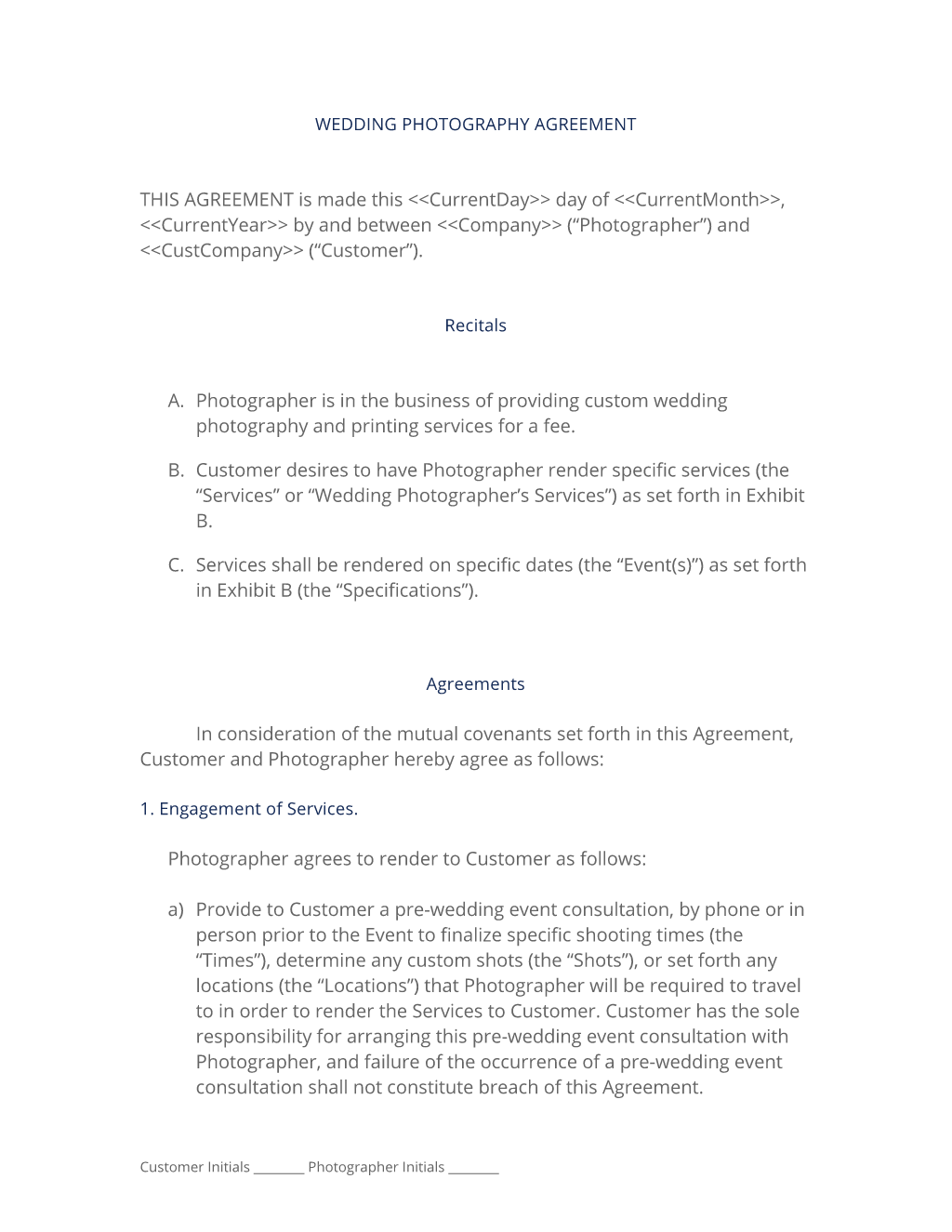
Scope of Services and Deliverables
This is arguably the most important section for managing client expectations. Be as detailed as possible about what the couple is purchasing.
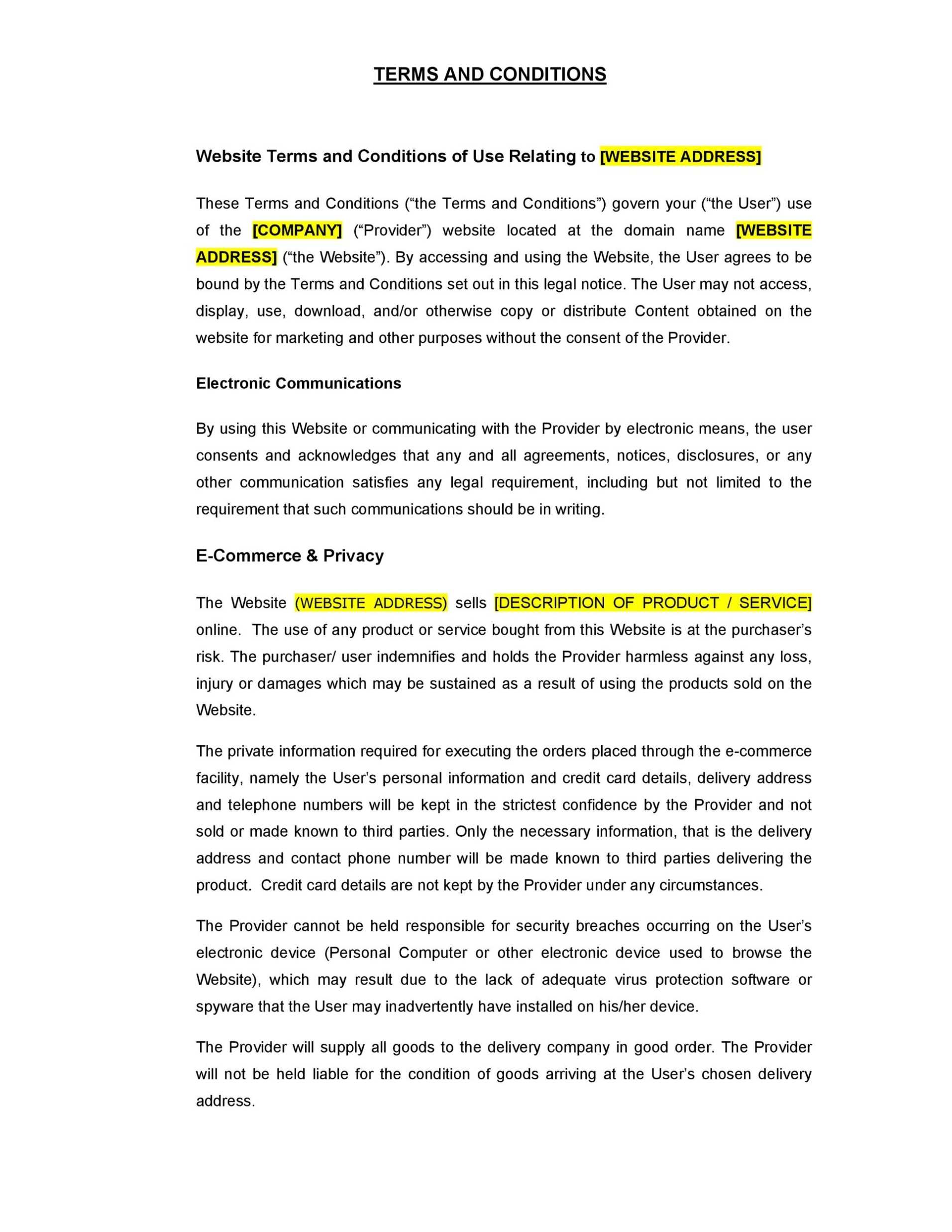
- Coverage: State the total number of consecutive hours of coverage included in the package.
- Personnel: Specify if the package includes one photographer, two photographers, or an assistant.
- Deliverables: Clearly define what the final product is. Mention the estimated number of high-resolution, edited digital images. Specify the delivery method, such as a private online gallery, a custom USB drive, or both.
- Editing Style: Briefly describe your editing process. You can include a clause stating that the editing will be consistent with your current portfolio style and that raw, unedited images will not be delivered.
- Add-Ons: If the package includes items like an engagement session, albums, or prints, detail them here with their own specific terms and timelines.
Payment Schedule and Fees
Outline the financial agreement with no room for misinterpretation.
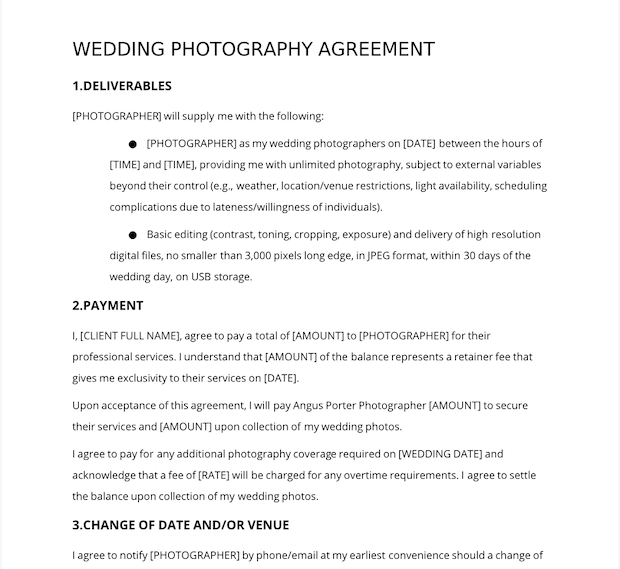
- Total Cost: State the total fee for the agreed-upon package.
- Retainer/Booking Fee: Specify the amount of the non-refundable retainer required to book the date. It's crucial to use the term "non-refundable retainer" rather than "deposit," as a retainer is legally defined as a fee paid to reserve your services and is therefore non-refundable, whereas a deposit can sometimes be interpreted as refundable.
- Payment Schedule: Clearly list the due dates for all payments, including the retainer and the final balance (e.g., "Final balance due 30 days prior to the wedding date").
- Additional Costs: Detail potential extra fees, such as travel and accommodation for destination weddings, overtime rates (per hour), or charges for additional products like albums. Mention applicable sales tax.
Cancellation, Rescheduling, and Postponement
This clause protects you if plans change. It must cover several scenarios.
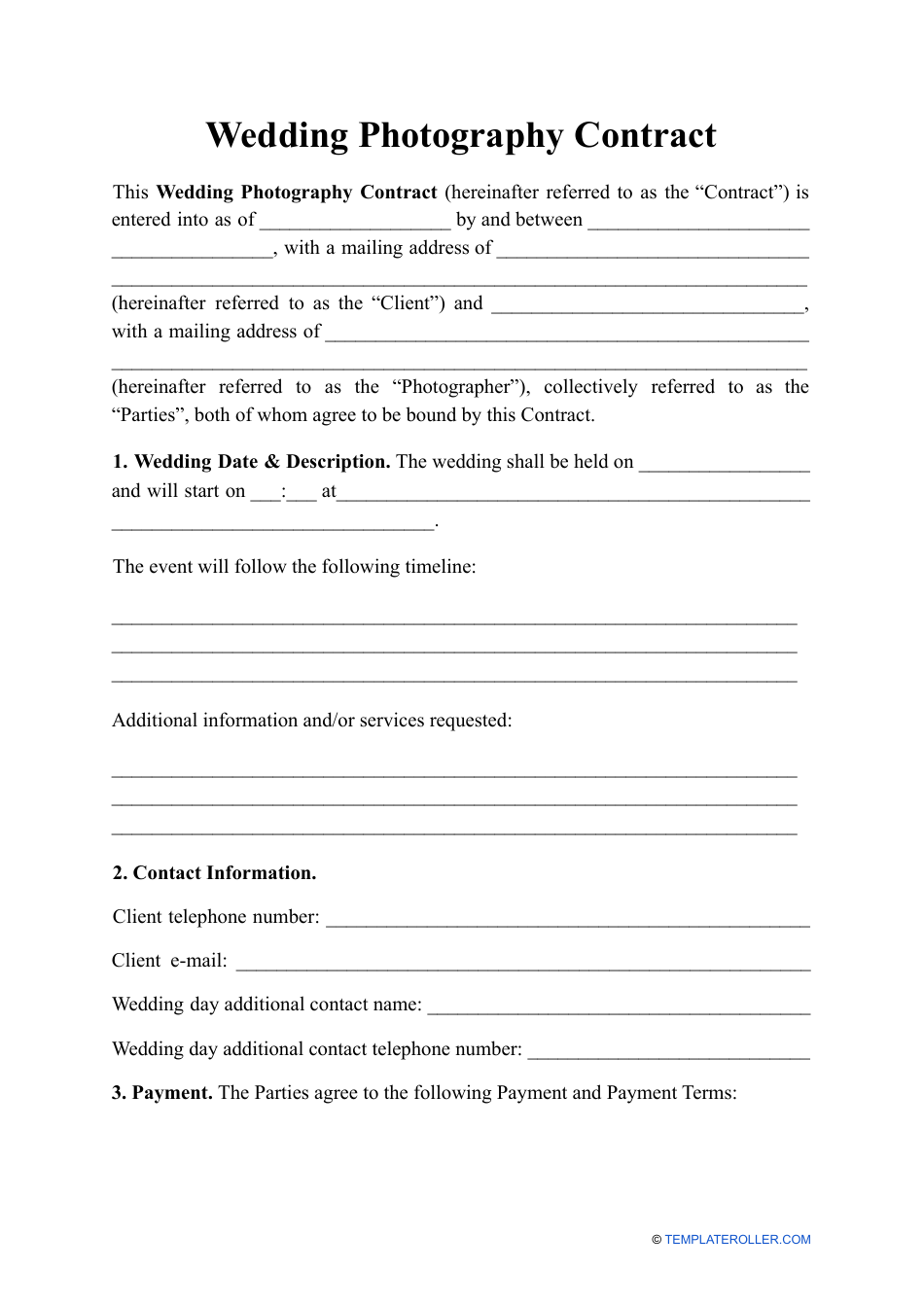
- Client Cancellation: State that the retainer is non-refundable in the event of a client cancellation. Outline what happens if they cancel after paying the final balance (e.g., no refunds within 60 days of the event).
- Client Rescheduling: Define your policy for rescheduling. You might allow the retainer to be transferred to a new date, subject to your availability, potentially with a rescheduling fee.
- Photographer Cancellation: Although rare, you must have a plan if you are unable to perform your duties due to illness, injury, or emergency. This typically involves making every effort to find a suitable replacement photographer of a similar style and skill level. It should also state that if a replacement cannot be found, all monies paid by the client will be refunded in full.
- Force Majeure: This "Act of God" clause releases both parties from liability in the event of extraordinary circumstances beyond their control, such as a natural disaster, fire, or pandemic, that make it impossible to hold the wedding.
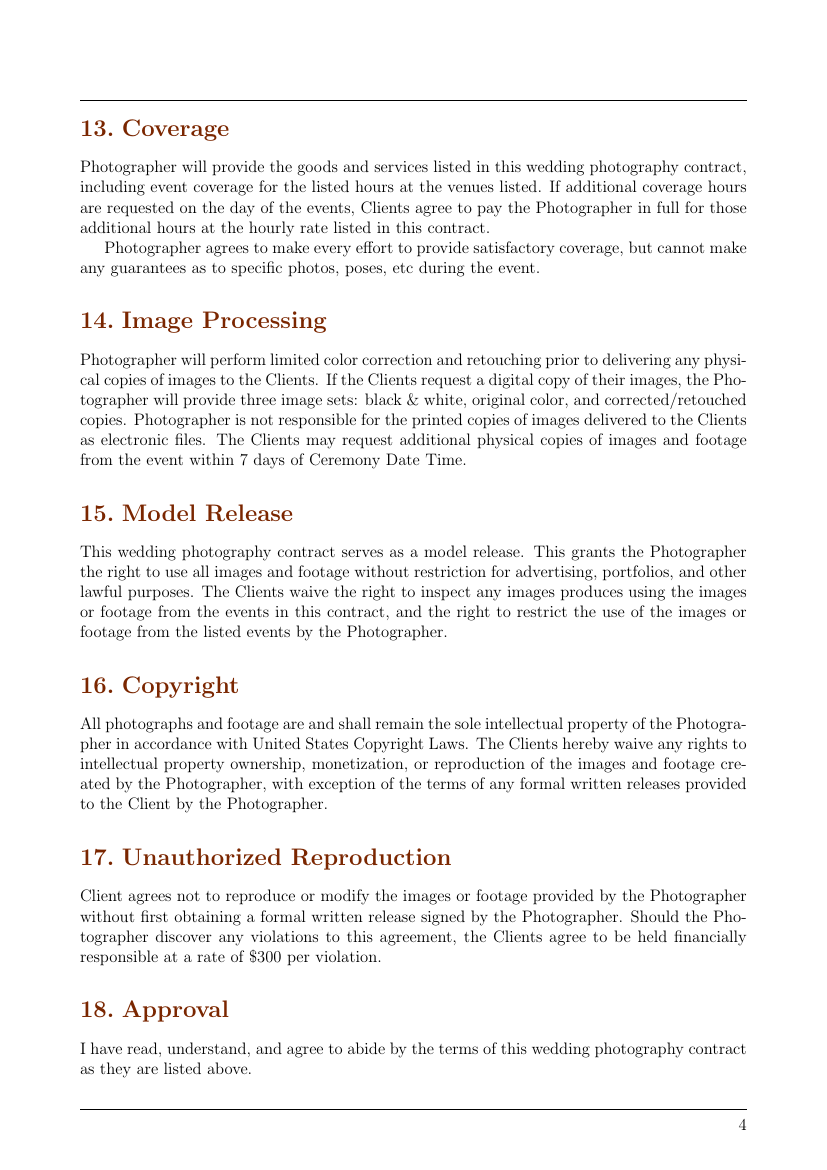
Image Rights and Usage
Copyright is a critical aspect of photography. Your contract must clarify who owns the images and how they can be used.
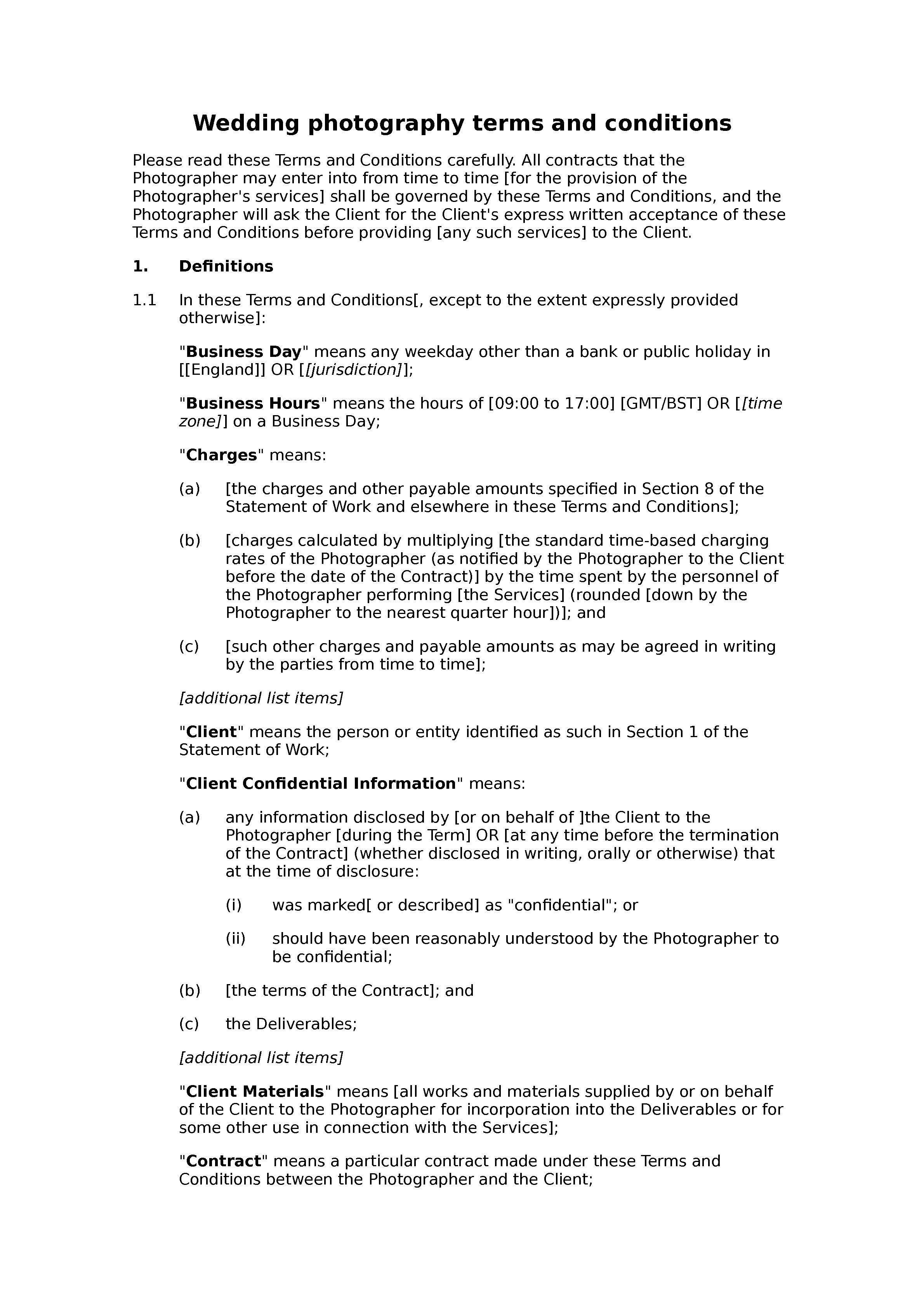
- Copyright Ownership: Include a clause that states you, the photographer, remain the sole owner of the copyright for all images created.
- Client Usage Rights: Grant your clients a license to use the images for personal, non-commercial purposes. This allows them to print photos, share them on social media, and give them to family and friends. Explicitly prohibit them from selling the images or entering them into contests without your permission.
- Photographer Usage Rights (Model Release): This clause gives you permission to use the wedding photos in your professional portfolio, on your website, on social media, in publications, and for other marketing or promotional purposes. It's often best to make this a standard clause, but be prepared to discuss it with clients who may have privacy concerns.
Final Product Delivery and Archiving
Manage expectations about when and how the final images will be delivered.

- Delivery Timeline: Provide a realistic timeframe for the delivery of the final edited images (e.g., "within 8-12 weeks of the wedding date"). It's wise to under-promise and over-deliver here.
- Archiving: State your policy for archiving images. Let clients know how long their online gallery will be active and for how long you will keep a backup of their files. Encourage them to download and back up their images immediately upon receipt.
Customizing Your Wedding Photography Terms And Conditions Template
Once you have a solid Wedding Photography Terms And Conditions Template, the next step is to make it your own. A generic document won't reflect your specific business practices or comply with your local laws.
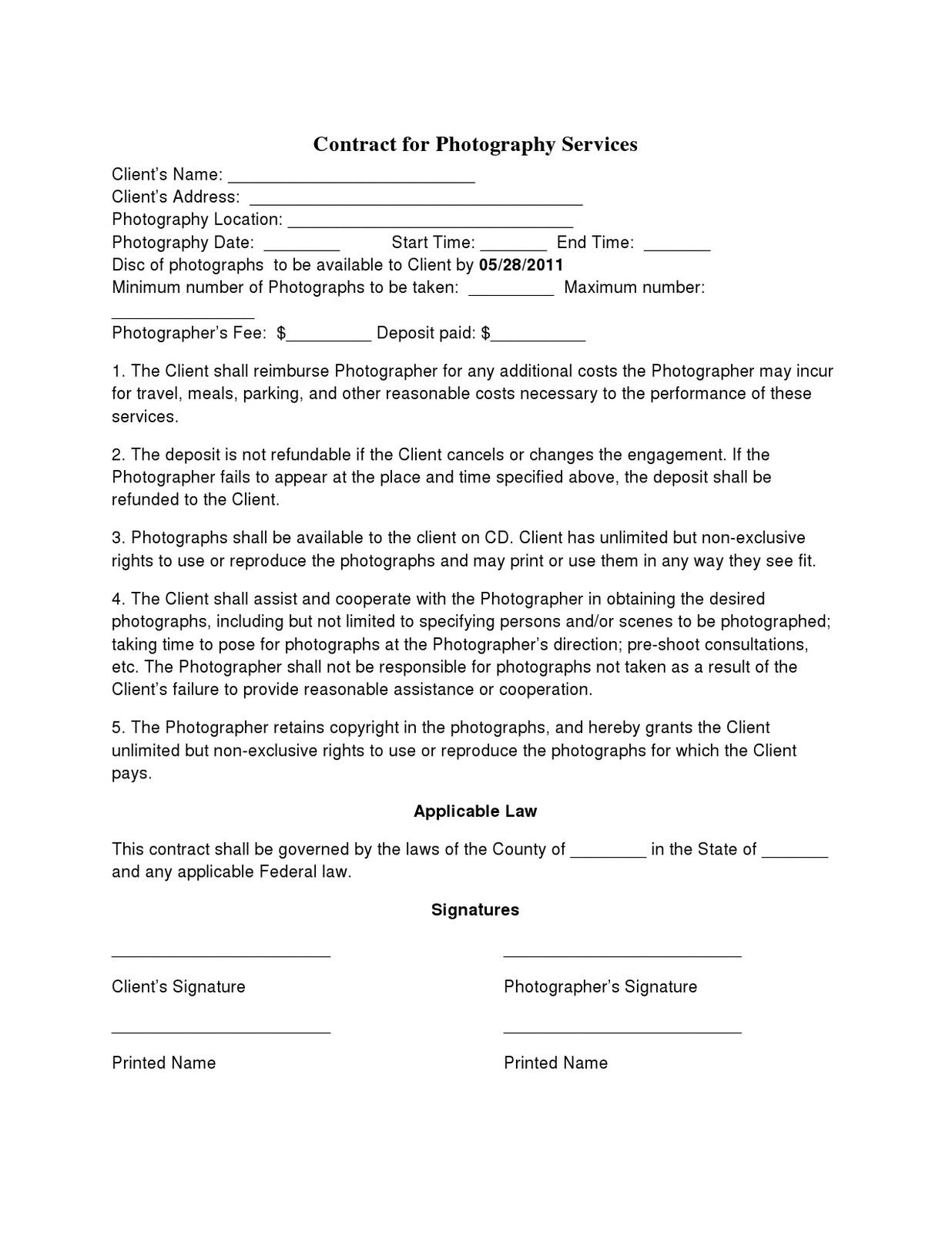
Start with a Reputable Source
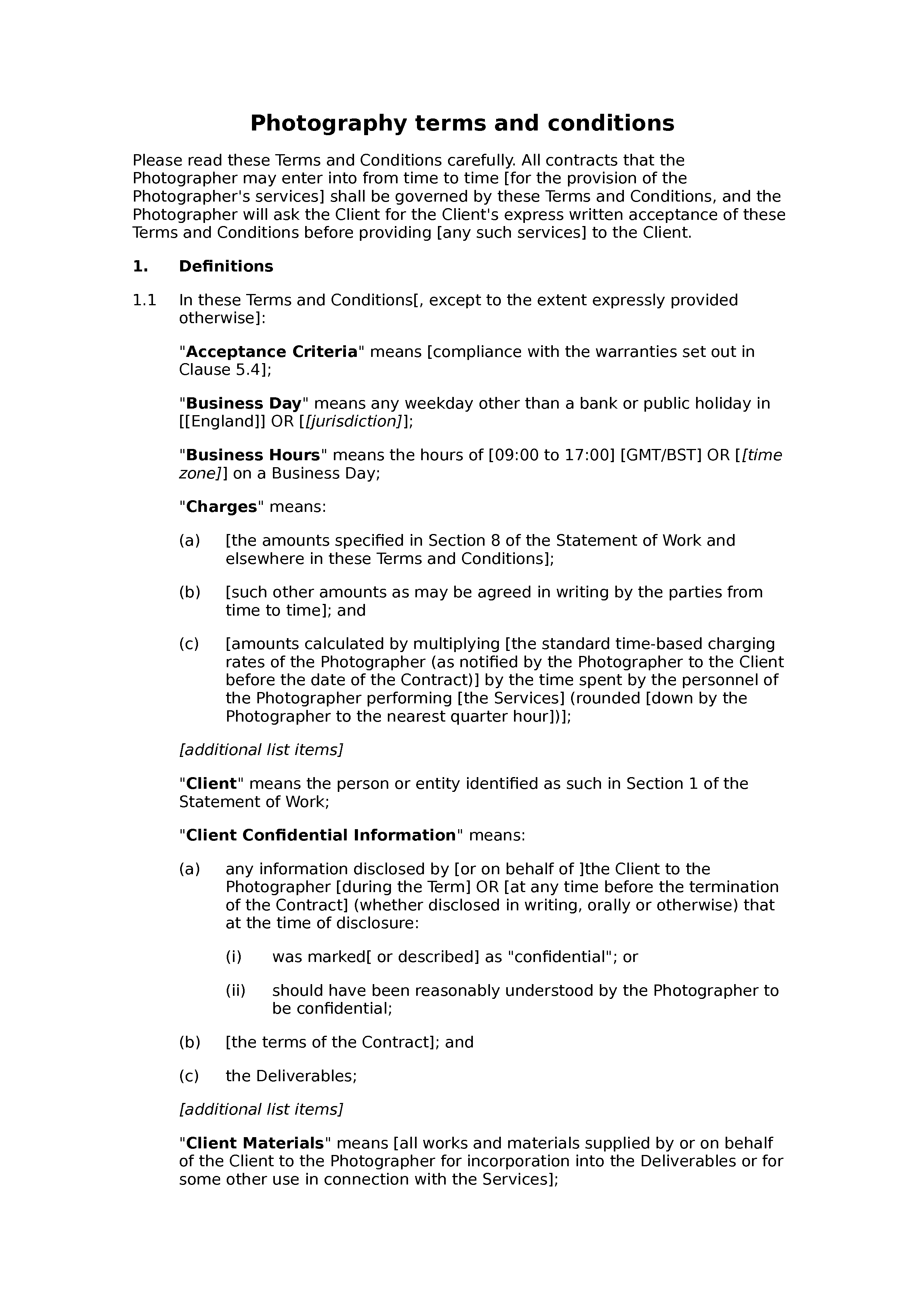
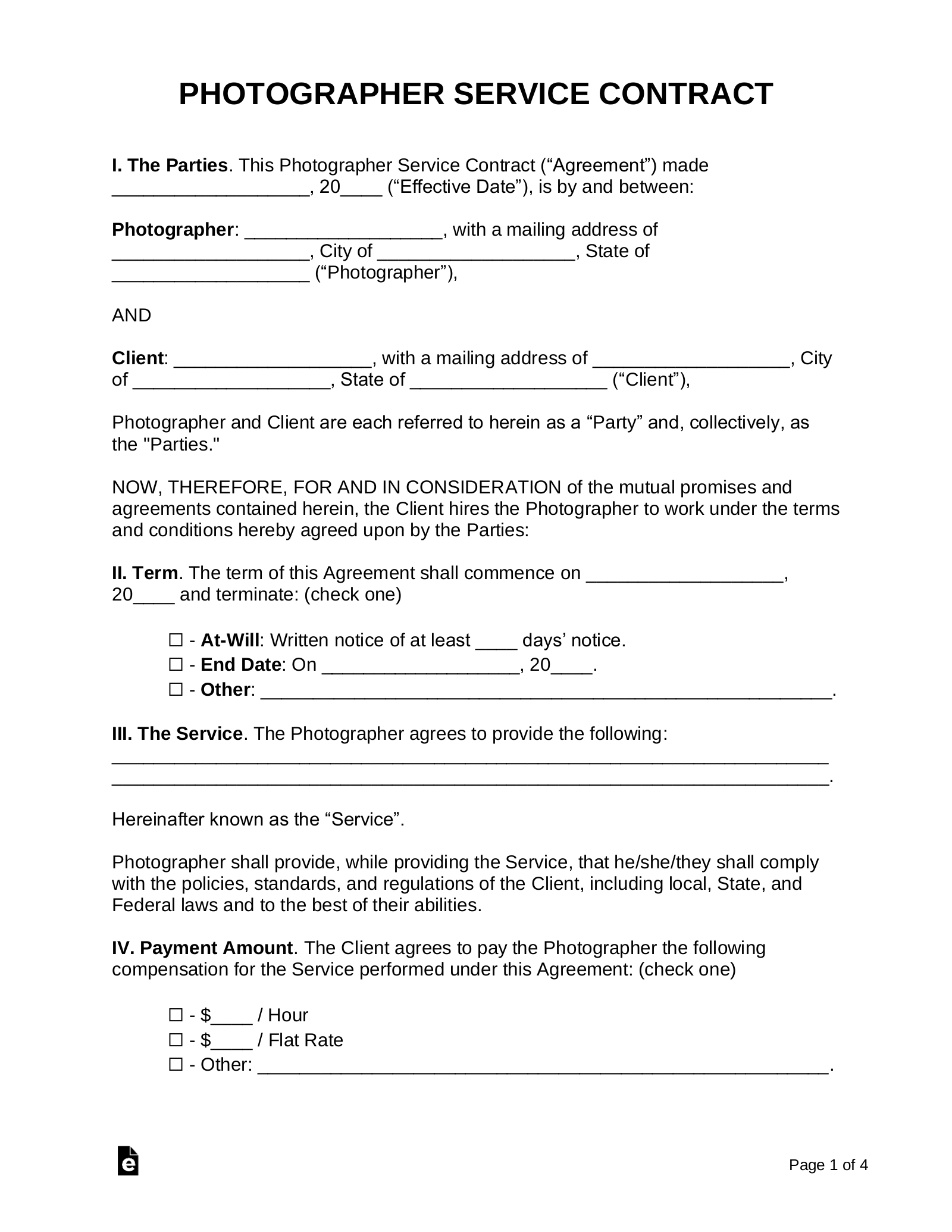
Begin with a template drafted by a lawyer or a reputable photography industry organization. These templates are designed to be comprehensive and legally sound, providing a strong foundation to build upon. Avoid simply copying terms from another photographer's website, as they may not be suitable for your business or location.
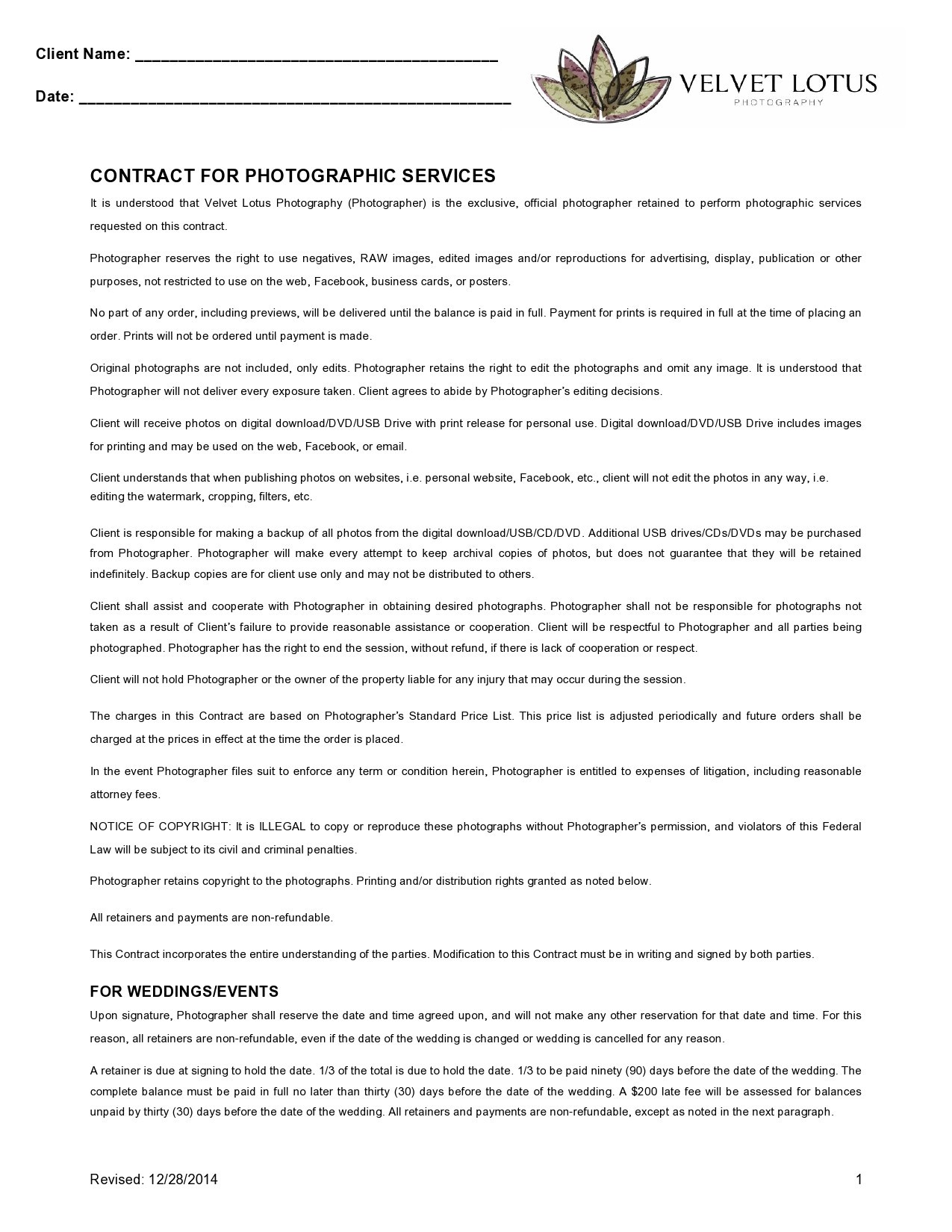
Tailor Clauses to Your Business Model
Review every clause and adjust it to match how you operate. Do you charge for travel within a certain radius? Define that radius. What is your exact overtime rate? State it clearly. If you offer products like albums, what is the ordering and proofing process? Detail it. The more specific you are, the fewer questions you will have to answer later.
Ensure Language is Clear and Concise
While your contract is a legal document, it should be understandable to your clients. Avoid overly complex legal jargon where possible. The goal is clarity, not confusion. You might even consider including a plain-language summary alongside the formal terms to help clients feel more comfortable.
Seek Professional Legal Review
This is the most critical step. Once you have customized your template, you must have it reviewed by a qualified lawyer in your state or country. Laws regarding contracts, copyright, and business vary significantly by location. A lawyer can ensure your contract is legally enforceable and provides the protection you need. This investment is a small price to pay for peace of mind and the long-term security of your business.
Common Mistakes to Avoid in Your Photography Contract
A weak contract can be as bad as no contract at all. Be sure to avoid these common errors.
- Vagueness: Ambiguous terms like "a number of edited photos" or "quick turnaround" are recipes for disaster. Use specific numbers, dates, and definitions. Instead of "quick," state "within 8-12 weeks."
- Forgetting the "What Ifs": Neglecting to include clauses for cancellations, postponements, or photographer illness leaves you exposed. A good contract anticipates problems and provides solutions.
- Not Getting it Signed: An unsigned contract is worthless. Ensure both clients and you have signed the document before any services are rendered or payments (beyond the retainer) are made. Digital signatures are a convenient and legally binding option.
- Hiding Your Terms: Don't bury your terms and conditions in fine print. Present them clearly as part of your main contract. Transparency is key to building a relationship based on trust.
How to Present Your Terms and Conditions to Clients
The way you present your contract is part of the client experience. It shouldn't feel like an adversarial process. Instead, frame it as a mutual agreement that ensures everyone is on the same page and that their special day is protected.
Modern Client Management Systems (CMS) like HoneyBook, Studio Ninja, or Dubsado are invaluable for this. These platforms allow you to send a professional package that includes the proposal, contract, and invoice all in one streamlined digital document. Clients can review everything, sign electronically, and pay the retainer in a single, easy-to-use interface.
When you send the contract, briefly walk the client through the key points in your email or during a consultation call. Highlight the payment schedule, the delivery timeline, and the cancellation policy. Reassure them that these terms are standard practice and are designed to protect both parties, ensuring a smooth and enjoyable experience from booking to final delivery.
Conclusion
A well-drafted contract is an indispensable asset for any wedding photographer. It is the professional framework that supports your creative work, transforming your passion into a sustainable business. By using a robust Wedding Photography Terms And Conditions Template as your starting point, you can establish clear expectations, protect your financial interests, and mitigate potential conflicts before they arise.
Remember, the key elements are clarity, specificity, and comprehensiveness. Cover all the bases: services, payments, deliverables, copyright, and contingency plans. Most importantly, customize the document to reflect your unique business practices and have it reviewed by a legal professional. By doing so, you not only safeguard your business but also provide your clients with the confidence and peace of mind that comes from working with a true professional, allowing you to focus on what you do best: capturing beautiful, timeless memories.
0 Response to "Wedding Photography Terms And Conditions Template"
Posting Komentar